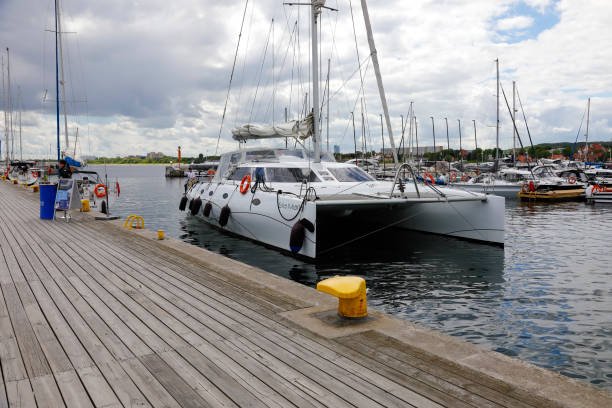
Complete Guide: How Much Does a Yacht Charter in Greece Cost?
Greece, known for its stunning islands, rich history, and crystal-clear waters, is a dream destination for anyone looking to explore the beauty of the Mediterranean. A yacht charter allows you to experience the best of Greece in a unique way, providing both freedom and luxury. However, understanding the costs involved can be challenging for many first-time charterers. This comprehensive guide will help you navigate through the various factors that influence the overall cost of a yacht charter in Greece, ensuring you are well-prepared for your adventure.
Factors Influencing Yacht Charter Costs
The cost of a yacht charter in Greece can vary significantly based on several factors. Let’s delve deeper into each of these:
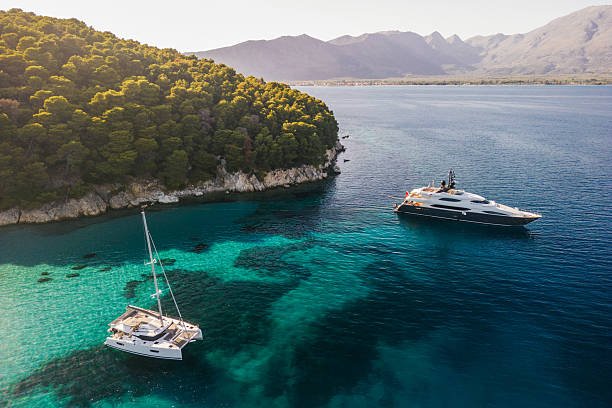
Type of Yacht: The category of yacht you choose plays a crucial role in determining the cost. Sailing yachts, motor yachts, and catamarans come with different price tags, and each offers a unique experience. For instance, sailing yachts are often favored for their traditional charm and connection to the sea, while motor yachts provide speed and luxury. A sailing yacht may give you a more authentic maritime experience, allowing you to feel the wind in your sails and the waves beneath you, while a motor yacht may be better for those who prioritize comfort and speed, getting you to your chosen destination swiftly.
Charter Duration: The length of your charter can greatly impact the total cost. While daily rates may seem appealing, weekly rates typically provide better value for money, especially if you plan to explore multiple islands. Many charter companies also offer discounts for longer bookings, making it more economical to stay out on the water for a week or more. Consider your itinerary carefully; longer charters often allow you to visit lesser-known gems of the Greek islands that are not accessible in a short trip.
Season: The season in which you plan to charter your yacht is another critical factor affecting pricing. High season (July and August) sees significantly higher prices due to increased demand, while shoulder seasons (May-June and September) and low seasons (October) offer more competitive rates. If you are flexible with your travel dates, consider chartering during the shoulder seasons to enjoy milder weather and fewer crowds. Additionally, you may find that popular attractions are less crowded, allowing for a more relaxed experience.
Location: Some islands may have higher docking fees and additional costs associated with amenities, leading to variations in overall expenses. For example, popular islands like Mykonos and Santorini may charge more than lesser-known destinations like Kythira or Ikaria. When planning your itinerary, consider balancing visits to popular hotspots with less touristy islands where costs may be lower, enabling you to experience a diverse range of environments. Exploring hidden coves and secluded beaches can also enhance your adventure.
Included Amenities: Costs can increase if you opt for additional services or luxury amenities. Choices such as catering, water sports equipment, and onboard entertainment can enhance your experience but will also impact your budget. It’s wise to prioritize which amenities are essential for your enjoyment, as the costs can add up quickly. For instance, if you love diving, investing in high-quality diving gear or hiring an instructor may be worth it. Alternatively, you could consider preparing some meals on board to save on catering costs while still enjoying the onboard experience.
Types of Yacht Charters
There are several types of yacht charters available in Greece, each catering to different preferences and budgets:
Bareboat Charters: You rent the yacht and handle navigation and sailing yourself. This option is ideal for experienced sailors looking for flexibility and adventure. Bareboat charters allow you to create your own itinerary, exploring off-the-beaten-path locations at your own pace. Ensure you have the necessary licenses and skills before opting for this choice, as navigating the Greek waters can be both thrilling and challenging. It’s essential to have a good understanding of local navigation rules and weather patterns to ensure safe sailing.
Skippered Charters: A professional skipper is included to navigate the yacht, allowing you to relax and enjoy the journey without the responsibility of sailing. This option is perfect for those who want to enjoy the experience without being burdened by the technical aspects of sailing. A skipper can also enhance your journey by providing local insights and recommendations, making your trip even more enjoyable. They can introduce you to hidden gems, recommend the best dining spots, and suggest itineraries based on your interests.
Luxury Crewed Charters: A full crew takes care of everything, from navigation to meal preparation. With a luxury crewed charter, you can expect a personalized experience, complete with tailored itineraries and gourmet meals, providing the ultimate in comfort and luxury. This option is excellent for special occasions such as anniversaries or family reunions, where pampering and service are a priority. Imagine being served freshly prepared Mediterranean dishes while lounging on the deck, with a stunning sunset as your backdrop.
Cost Breakdown
To give you a clearer idea of what to expect, here’s a detailed breakdown of potential costs
To give you a clearer idea of what to expect, here’s a detailed breakdown of potential costs associated with yacht charters in Greece:
of yacht you choose:
Sailing Yachts: Typically range from $1,500 to $10,000 per week. For example, a 40-foot sailing yacht might cost around $4,000 for a week during the shoulder season, while a larger, luxury model could approach the upper limit during peak summer months. Consider the age and condition of the yacht as well, as newer yachts may come at a higher price but offer enhanced comfort and safety features. Additionally, check for any included warranties or insurance that may come with the rental.
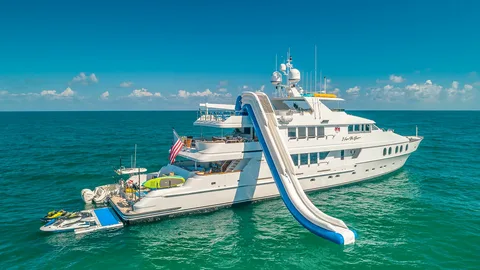
Motor Yachts: These can range from $3,000 to over $30,000 per week. A mid-range motor yacht suitable for a family might be available for around $8,000, while luxury motor yachts can command much higher prices due to their lavish amenities, including Jacuzzis, spacious decks, and high-end entertainment systems. Be sure to evaluate the features that matter most to you, such as the number of cabins and bathrooms, which can significantly affect your comfort during the trip.
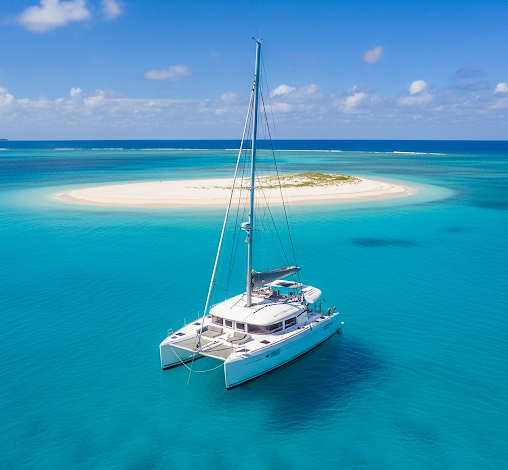
Catamarans: These generally range from $2,000 to $15,000 per week. Catamarans are popular for their stability and space, making them a great choice for families or groups looking for comfort on the water. Many catamarans also offer shallow drafts, allowing for easier access to secluded beaches and coves. Their spacious layouts can provide a more comfortable experience, especially when accommodating larger groups.
2. Additional Fees
When budgeting for your charter, consider these potential additional fees:
Fuel Costs: These can vary significantly depending on yacht size and distance traveled. Larger yachts consume more fuel, so it’s wise to factor in the cost of fuel for your planned itinerary, which can range from a few hundred to over a thousand dollars for longer trips. Discuss your planned route with the charter company to get an accurate estimate. Many charterers recommend calculating fuel costs based on average consumption rates provided by the charter company.
Marina Fees: Typically range from $50 to $300 per night, depending on the location and facilities available. Major ports and popular tourist destinations will generally be on the higher end of this range. Keep in mind that some marinas offer additional services such as laundry, showers, and restaurants, which can enhance your experience. Researching the marinas in advance can help you identify which ones offer the best amenities for your stay.
Provisioning: Grocery costs can add up quickly, especially if you plan to stock up on fresh local produce and specialty items. Budgeting between $200 and $500 per week is advisable to ensure you have all the essentials and some treats during your trip. Consider planning your meals in advance to avoid unnecessary purchases, and don’t hesitate to explore local markets for fresh ingredients. Engaging with local vendors can also add to your overall travel experience.
Insurance: While optional, it’s highly recommended and often costs around 5% of the rental cost. This insurance can provide peace of mind and protection against unforeseen events during your charter. Look into different options to find coverage that suits your needs best, and ensure you understand what is covered, especially regarding damage or accidents.
Sample Itineraries and Costs
Let’s take a look at a couple of sample itineraries, including their costs, to provide you with a clearer picture of what to expect:
7-Day Cyclades Itinerary
Yacht Type: 40-ft Sailing Yacht
Rental Cost: $4,000
Fuel: $300
Marina Fees: $500
Provisioning: $400
Total Estimated Cost: $5,600
This itinerary could include stops at popular islands such as Mykonos, Santorini, and Naxos, each offering its unique charm, beaches, and cultural experiences. For example, you could enjoy the vibrant nightlife of Mykonos one night and explore the ancient ruins of Delos the next. Additionally, you might take time to sample local delicacies, such as fresh seafood in Naxos or traditional moussaka in Santorini, enriching your culinary experience. Engaging in local traditions, such as attending a local festival or trying a cooking class, can add depth to your journey.
7-Day Ionian Islands Itinerary
Yacht Type: 45-ft Catamaran
Rental Cost: $5,000
Fuel: $350
Marina Fees: $600
Provisioning: $500
Total Estimated Cost: $6,450
This itinerary might include visits to stunning islands like Corfu, Lefkada, and Zakynthos. With their lush landscapes and turquoise waters, these islands offer great opportunities for swimming, snorkeling, and soaking up the sun. You could anchor in secluded bays, enjoying peaceful days away from the bustling crowds, and partake in water activities such as paddleboarding or kayaking, immersing yourself in the natural beauty of the region. Exploring the local heritage and taking guided tours can enhance your understanding of the rich history that each island holds.
Best Time to Charter in Greece
The best time to charter a yacht in Greece is during the shoulder seasons of May-June and September-October. During these months, the weather is typically pleasant, with warm temperatures and sunny skies, while the crowds are thinner, making it easier to enjoy the islands. Additionally, you can often find more favorable pricing compared to the peak summer months, allowing for a more economical charter experience. This timing also provides an opportunity to engage with locals, as many festivals and cultural events take place during these periods, adding a richer experience to your travels. You might witness local traditions, such as religious festivals or food fairs, which can provide a deeper cultural connection to the area.
Conclusion
Chartering a yacht in Greece can be a magnificent experience that provides a unique way to explore the scenic beauty and cultural heritage of the region. However, understanding the costs involved can help you plan your budget effectively and avoid any financial surprises. By considering the type of yacht, duration, season, and additional fees, you can ensure a memorable adventure that aligns with your expectations and budget. Whether you seek relaxation, adventure, or a bit of both, the Greek islands promise an unforgettable experience on the water. Make sure to plan ahead, do your research, and embrace the spirit of adventure as you set sail through the enchanting Greek archipelago. Remember, preparation is key; the more you understand the process and costs involved, the more enjoyable your yacht charter will be, allowing you to focus on creating lasting memories with friends and family.